Key Selection Guide for Tubular, U-trough, Shafted and Shaftless Models
Screw conveyors (also known as augers) are widely used for bulk material handling. With a wide range of models available, buyers often struggle to pick the right one. An improper selection can lead to poor material flow, frequent blockages and short service life. Below is a breakdown of common models and their suitable applications for quick reference.
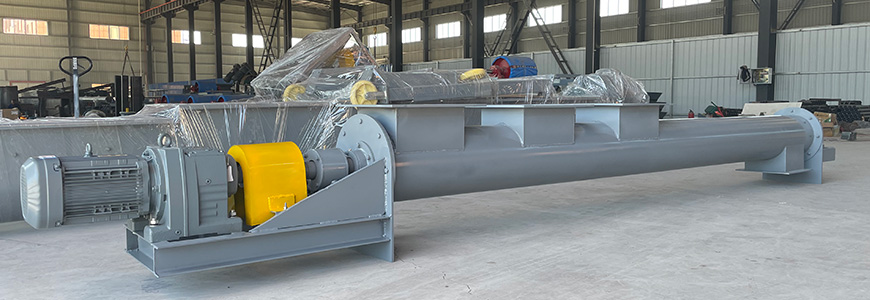
Tubular Screw Conveyor
Fully enclosed housing for excellent dust containment. Ideal for dry powder and granular materials such as cement, fly ash, grain and plastic pellets. It works well for inclined and vertical conveying with minimal spillage and a compact footprint.
Not recommended for sticky, caking or stringy materials.
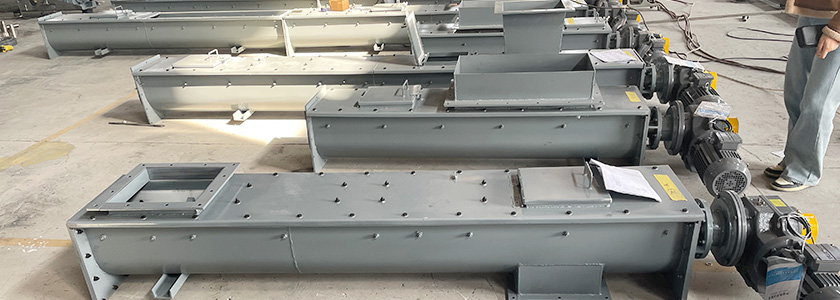
U-Trough Shafted Screw Conveyor
Open-top design with removable covers for easy inspection and residue cleaning. Suitable for free-flowing or moderately flowable granular and lumpy materials. Commonly used in building materials, mining and feed industries, mainly for horizontal conveying.
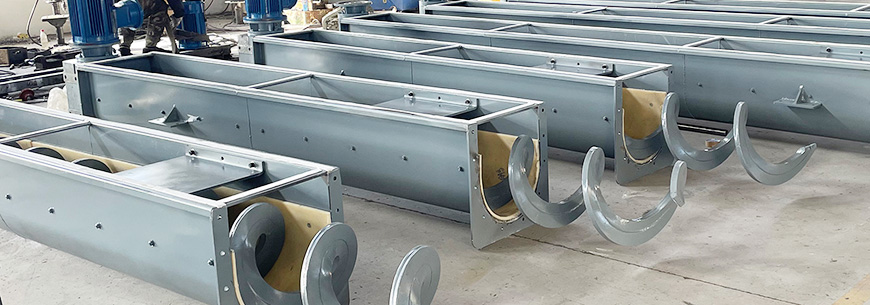
Shaftless Screw Conveyor
Designed for sticky, fibrous and moisture-laden materials including sludge, screenings, food waste and pulp. It resists wrapping and clogging and is a preferred choice for environmental sludge treatment projects.
Not suitable for hard, large-size grit; liner wear is relatively faster.
Core Selection Factors
Material type, moisture content, viscosity, required capacity, conveying length, installation angle, explosion-proof requirement, sanitary standard and corrosion resistance.
- 304 stainless steel sanitary grade: preferred for food and pharmaceutical applications
- 316 stainless steel: for corrosive chemical materials
- Carbon steel: cost-effective option for dry powder and building materials
KeMing Machinery can provide customized proposals and drawings based on your site conditions. We supply standard and non-standard equipment, together with installation guidance and routine maintenance support to ensure stable long-term operation.